
Ruptured brain aneurysm treatment in faridabad
A ruptured brain aneurysm can be an emergency, life-threatening issue that requires medical attention immediately. While most of the public’s focus is on urgent treatment, stabilisation and emergency care, the wider nature of the condition includes the prevention, diagnosis, as well as long-term management and innovative recovery methods that could dramatically impact the patient’s outcomes.
What is a Ruptured Brain Aneurysm?
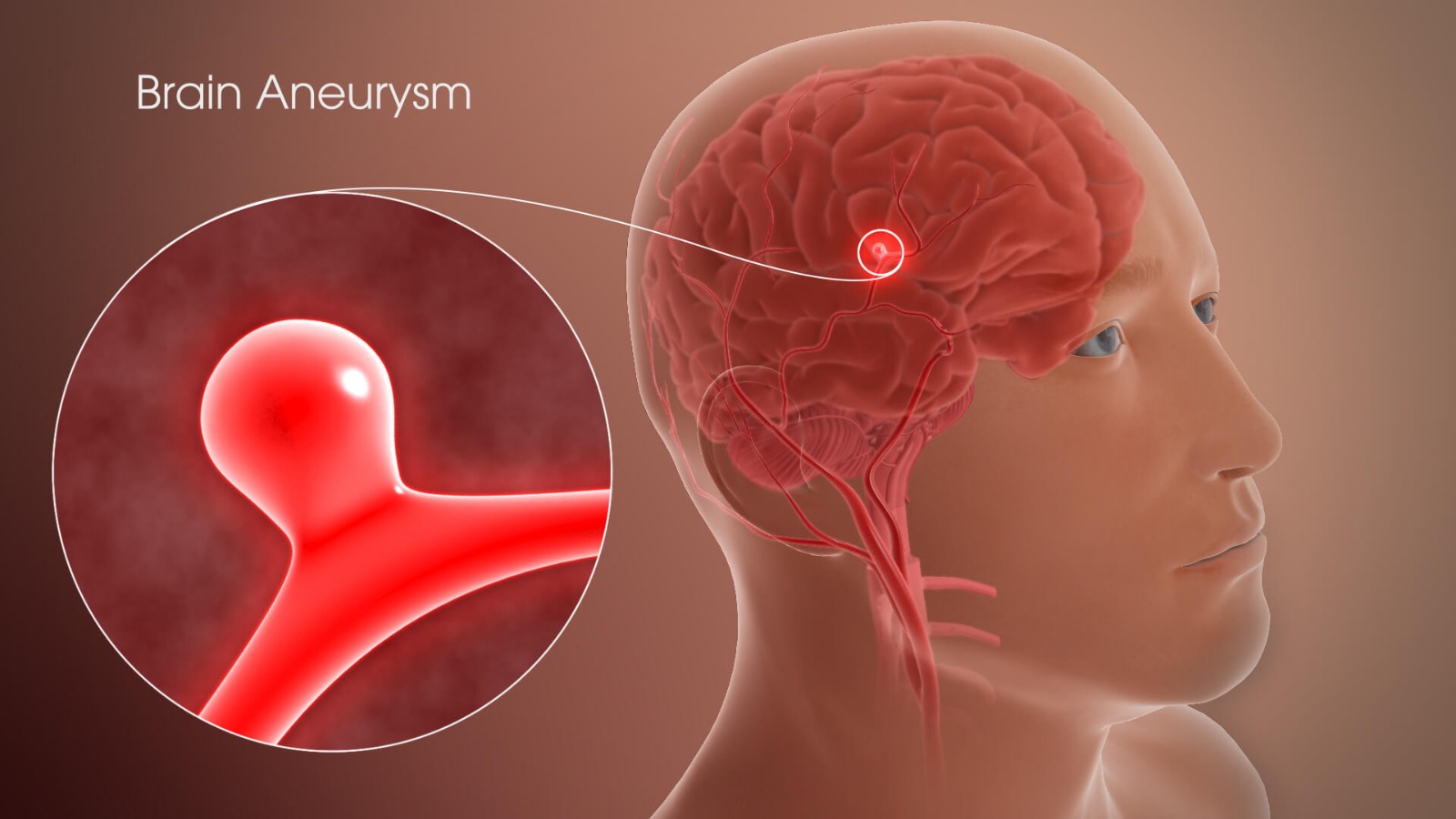
An aneurysm in the brain develops when a weak area of the blood vessel wall of the brain expands due to the pressure caused by blood flow. The majority of aneurysms stay in a silent state and will not rupture. But if the wall becomes thin to a point that it opens, it can cause bleeding in the area surrounding the brain. which is called a subarachnoid hemorrhage. The rupture releases blood, which causes irritation and damage to brain tissue, resulting in grave neurological impairment or even death if not treated promptly.
The focus should be upon Early Risk Assessment
One of the most important changes in medicine over the last several years is probably the emphasis that has been placed on first detection and risk assessment of people with unruptured aneurysms. The new trends in neurology are moving away from dependency on the occurrence of symptoms or rupture and more towards the preventive visit, especially for those who have risk factors such as inheritance of aneurysm, high blood pressure, or connective tissue diseases.
Through advanced imaging, the medical team can know every single detail of an aneurysm—its size, shape, and even the firmness of the wall, which are the most accurate sources of risk for rupture.
The Signs to Identify
The ruptured aneurysm in your brain usually manifests as sudden and severe headaches. They are often described as the most painful headache of one’s life. Other symptoms could include:
- Nausea and vomiting
- Neck stiffness
- Double vision, visual disturbances or changes in the pupil
- Constant loss of consciousness or confusion
- Sensitivity to light
- Seizure
Being aware of alarms and seeking urgent assistance without delay can drastically impact survival and the functional outcome.
Advanced Treatment Strategies
The main objective of treatment following a rupture is to avoid rebleeding and limit brain damage. The treatment options are constantly evolving:
Endovascular coiling utilises minimally invasive catheter methods to insert platinum coils into the aneurysm to promote blood clotting and separate the aneurysm to circulation.
Surgical clipping, the standard alternative, is to place a clip on the base of the aneurysm through a craniotomy in order to stop blood flow to the sac.
Flow diversion devices have come to market to divert the flow of blood away from aneurysms and encourage healing of vessels.
Adjunct therapies can include the control of intracranial pressure, the control of blood pressure seizures, and the prevention of vasospasm, which is a risky constriction of blood vessels after haemorrhage.
A Journey Through Recovery and Rehabilitation
The treatment doesn’t end with endovascular or surgical procedures. A lot of patients have a lengthy recovery time that includes mental, emotional and physical rehab. The symptoms include changes in personality, memory loss as well as motor impairments and mental distress are all common.
Multidisciplinary rehabilitation programs with neurologists, occupational therapists, physiotherapists, speech therapists and psychologists offer a comprehensive service that is specific to each patient’s individual requirements. The latest advances in rehabilitation, such as the use of tele-rehabilitation as well as virtual reality-based therapy sessions, enhance accessibility and effectiveness for patients across the world.
Prevention of future ruptures and Promotion of Health
Prevention is still the primary goal in the aftermath of ruptured aneurysms. Prevention of risk factors with modifiable effects like smoking and hypertension regular exercise, a healthy diet and stress management are all contributing to a lower risk of developing a new aneurysm, or even re-rupture. Regular follow-ups using imaging ensure prompt detection of any changes that require intervention.
Education for patients plays a crucial part in helping patients as well as their loved ones to identify the signs early and to make lifestyle changes.
Conclusion
Brain aneurysm rupture can be ranked as one of the scariest and life-threatening situations that can happen to a person. The damage caused by the rupture is just the beginning of the story.
Through the coordination of timely risk assessment, state-of-the-art imaging, innovative therapies, and comprehensive rehabilitation, the feasibility of survival and the quality of life of the patient are significantly enhanced.
One of the best interventional neuroradiologist in Faridabad is Dr. Arvind Nanda, who apart from being immensely skilful in neurovascular interventions, is also very caring towards his patients and thus, making a vital contribution, not only in crisis management but also in recovery and sustained wellness, thereby guiding patients on the difficult journey from emergency to recovery and sustained health.