
Best Intracranial Stenosis Specialist for Advanced Brain Care in Delhi NCR
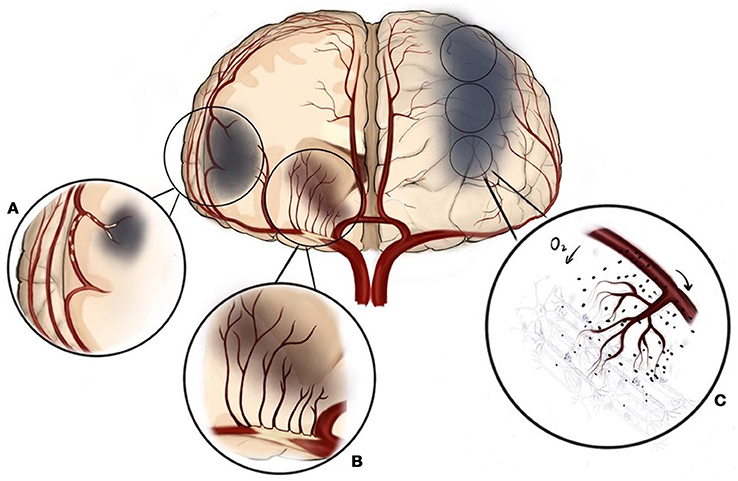
Intracranial stenosis is defined as the narrowing of arteries that run inside the skull and supply oxygen-rich blood to specific areas of the cerebrum. This narrowing leads to reduced blood flow to the brain, significantly increasing the risk of transient ischemic attacks (TIAs) and ischemic strokes.
What makes intracranial stenosis particularly concerning is that many individuals remain unaware of the condition until symptoms begin to appear. Unlike blockages in the heart or neck arteries—which are easier to detect—arterial obstruction within the brain is more difficult to identify without advanced medical imaging and specialized neurological evaluation. This is where timely diagnosis by an experienced intracranial stenosis specialist in Delhi NCR becomes crucial for effective management and recovery.
In most cases, the narrowing develops gradually over time. Fatty deposits, chronic inflammation, and thickening of the arterial walls progressively reduce the vessel diameter. Even mild narrowing can eventually impair blood flow to sensitive areas of the brain, potentially leading to serious neurological complications if left untreated.
Early detection, accurate diagnosis, and expert care from a trusted intracranial stenosis specialist in Delhi NCR can help prevent stroke and improve long-term outcomes through appropriate medical or interventional treatment options.
What Happens When Brain Arteries Narrow
As the arterial passage is becoming smaller, resistance to blood flow is increased. As a result, oxygen delivery will decrease and nutrient exchange may be impaired. The brain, receiving almost 20% of the body’s oxygen, is especially sensitive to these alterations.
Small clots may also be formed at the site of narrowing, which can increase the risk of sudden blockage of the vessel. Severe cases of complete interruption to the flow of blood may result in permanent injury to the brain; therefore, early evaluation by an intracranial stenosis specialist in Delhi NCR is very important.
How Blood Flow Is Affected in the Brain
The brain is served by a complex of connected blood arteries known as the Circle of Willis. Although it is a good compensatory mechanism for blood flow, in some instances of severe constrictioning, it is incapable of compensating. If so, symptoms of a stroke are apt to suddenly manifest.
Causes and Risk Factors
Several underlying conditions contribute to the development of intracranial stenosis, most of which are preventable or manageable with proper care.
Atherosclerosis and Plaque Formation
The most common cause is atherosclerosis—a buildup of fatty plaques along the artery walls. These plaques harden over time, reducing elasticity and narrowing the vessel lumen.
Genetic and Metabolic Influences
Some individuals have a genetic predisposition that affects lipid metabolism or inflammatory responses, increasing susceptibility.
Diabetes, Hypertension, and Cholesterol
- Long-standing high blood pressure damages artery walls
- Elevated LDL cholesterol accelerates plaque buildup
- Diabetes promotes inflammation and vascular stiffness
Together, these factors significantly increase cerebrovascular risk and are routinely evaluated by an intracranial stenosis specialist in Delhi NCR during diagnosis and treatment planning.
Common Symptoms and Warning Signs
Symptoms vary depending on the artery affected and the severity of narrowing.
Early Neurological Symptoms
- Sudden weakness or numbness on one side of the body
- Difficulty speaking or understanding words
- Blurred or double vision
- Dizziness or loss of coordination
These symptoms may come and go, which is why they are often ignored. Early consultation with a specialist can prevent serious complications.
Transient Ischemic Attacks vs Stroke
A TIA is a temporary disruption of blood flow with symptoms resolving within 24 hours. However, it is a major warning sign of an impending stroke and requires immediate evaluation by a qualified intracranial stenosis specialist in Delhi NCR.
Diagnostic Methods and Imaging
Early diagnosis relies on advanced imaging techniques.
MRI, MRA, and CT Angiography
- MRI: Detects brain tissue damage
- MRA: Visualizes blood vessels without contrast
- CTA: Provides high-resolution images of arterial narrowing
Doppler and Digital Subtraction Angiography
These tools measure blood flow velocity and pinpoint the exact location and severity of narrowing, allowing specialists to tailor treatment accurately.
Severity Classification and Progression
- Mild: Less than 50% narrowing
- Moderate: 50–69% narrowing
- Severe: 70% or greater narrowing
Higher severity correlates with increased stroke risk and often requires aggressive management under specialist care.
Treatment and Management Options
Treatment focuses on reducing stroke risk and improving blood flow.
Medical Therapy and Lifestyle Changes
- Antiplatelet medications (e.g., aspirin)
- Statins for cholesterol control
- Strict blood pressure management
- Smoking cessation and weight control
Interventional and Surgical Approaches
Stenting and Angioplasty
In select high-risk patients, minimally invasive procedures may be used to widen the artery and restore circulation. These procedures are typically performed at advanced neurovascular centers by an experienced intracranial stenosis specialist in Delhi NCR.
Complications and Associated Risks
Without treatment, complications may include:
- Recurrent strokes
- Cognitive decline
- Permanent disability
- Reduced quality of life
Prevention and Long-Term Care
Prevention is centered on controlling modifiable risk factors.
Diet, Exercise, and Medication Adherence
- Heart-healthy diets rich in fruits and whole grains
- Regular aerobic exercise
- Consistent medication use as prescribed
Living With a Chronic Cerebrovascular Condition
With proper care, many individuals live full, active lives. Ongoing monitoring, regular imaging, and collaboration with neurologists and an intracranial stenosis specialist in Delhi NCR are key to long-term success.
Frequently Asked Questions
1. Is intracranial stenosis the same as carotid artery disease?
No. Carotid disease affects neck arteries, while this condition affects arteries inside the skull.
2. Can it be reversed naturally?
While narrowing cannot usually be reversed, progression can be slowed with lifestyle changes and medical management.
3. Is surgery always required?
No. Most cases are managed medically unless severe symptoms persist.
4. Who is most at risk?
People with diabetes, high blood pressure, and high cholesterol.
5. Can young adults develop it?
Yes, though it is more common with age.
6. How often should follow-up imaging be done?
This depends on severity and is determined by a healthcare provider.
Conclusion
Intracranial stenosis is a serious brain condition, but early diagnosis can make it highly manageable. With over 20 years of clinical expertise, Dr. Arvind Nanda highlights how advanced diagnostics today significantly reduce the risk of stroke. Consulting a trusted intracranial stenosis specialist in Delhi NCR ensures timely care and better outcomes.
Dr. Arvind Nanda is an expert in providing the best treatment for intracranial stenosis. He practices at Amrita Hospital, Faridabad, which is equipped with state-of-the-art technology to ensure better outcomes, especially when minimally invasive surgery is required.